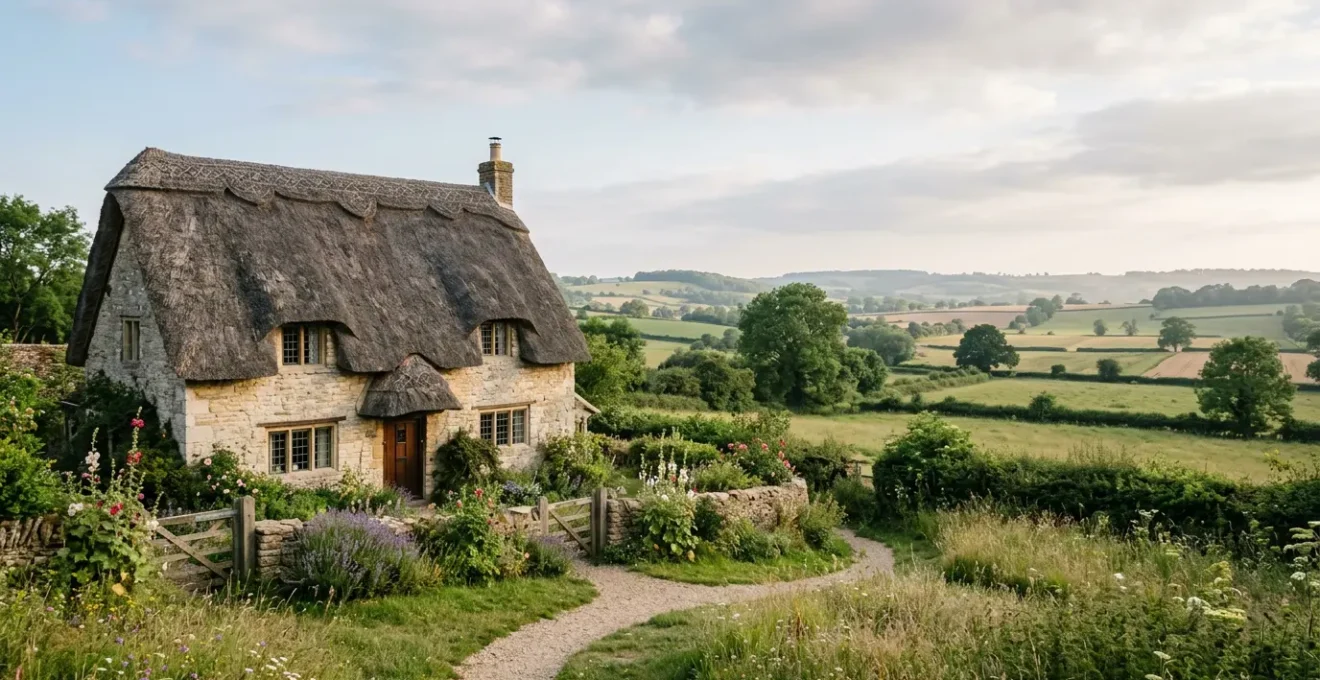
The shocking difference in insurance costs isn’t just about the thatch; it’s the sum of hidden, expensive realities that savvy buyers can learn to identify before purchasing a character cottage in England.
- Seemingly minor details like mortar type and drainage directly impact maintenance bills and insurability.
- Recent regulations, especially for septic tanks, can trigger unexpected five-figure upgrade costs upon purchase.
Recommendation: Approach buying a rural character property not as a romance, but as a forensic investigation into its invisible infrastructure and material science.
The dream of an English country cottage, wisteria framing the door and smoke curling from the chimney, is a powerful one. You find two seemingly identical properties in the same village, both oozing character. Yet, one owner casually mentions their annual buildings insurance is £400, while your quote for the other comes in at a heart-stopping £3,000. This isn’t a mistake; it’s a lesson in the hidden realities of rural property ownership. The romance of character is built upon a foundation of unglamorous, expensive, and legally-mandated truths.
Most buying guides offer platitudes: “get a good survey,” “check for damp.” But this advice barely scratches the surface. The real cost drivers are often invisible, embedded within the very fabric of the building and the ground it sits on. Understanding these factors is the key to differentiating a charming country home from a financial black hole. The dramatic cost difference isn’t arbitrary; it’s the direct, quantifiable result of invisible infrastructure, the specific material science of traditional construction, and regulatory landmines that most buyers never see coming.
This article moves beyond the obvious. We will deconstruct the “character premium” by examining the crucial elements that determine the true cost of ownership. We’ll explore why old walls need to ‘breathe’, how to test for twenty-first-century utilities in a seventeenth-century home, the critical septic tank regulations that can cost you £15,000, and why the specific type of reed on your roof matters more than you can imagine. This is the cost-reality check every prospective cottage buyer in England needs.
Summary: A Buyer’s Guide to Rural England’s Hidden Property Costs
- Why Do Stone Walls and Lime Mortar Require Different Maintenance Than Modern Materials?
- How to Check Whether Your Dream Cottage Has Adequate Water Pressure and Broadband?
- Traditional Cottage or Converted Barn: Which Suits Modern Rural Living Better?
- The £15,000 Septic System Upgrade Required Within 6 Months of Purchase to Meet Regulations
- When to View a Rural Cottage: Summer Beauty or Winter to Test Lane Access?
- Why Does Your Victorian House Have Damp Walls Despite No Visible Leaks?
- Why Does Water Reed Thatch Last Twice as Long as Wheat Straw?
- Why Does Your Thatched Roof Need Replacing After 25 Years When Tile Roofs Last 60?
Why Do Stone Walls and Lime Mortar Require Different Maintenance Than Modern Materials?
The solid, reassuringly thick walls of a period cottage are a core part of their appeal. However, their construction is fundamentally different from a modern house, and misunderstanding this difference is a primary source of future expense and damp issues. Traditional cottages were built with solid walls and a ‘breathable’ construction, using materials like stone or brick bonded with soft lime mortar. This system was designed to manage moisture by allowing it to enter the wall and then evaporate away harmlessly.
Modern building practices, in contrast, rely on creating an impermeable barrier with cement mortars, plastic paints, and cavity walls. Applying these modern, non-breathable materials to an old wall is a catastrophic mistake. Cement pointing or waterproof paint traps moisture inside the wall structure, forcing it to find another way out—usually into your living room. This leads to persistent damp, crumbling plaster, and decaying timber frames. As Historic England warns regarding such inappropriate repairs:
Buildings incorporating earthen materials are often repaired in an inappropriate way because of a lack of understanding of their characteristics and performance. In some cases this has led to further deterioration and substantial harm to the heritage significance of the building.
– Historic England, Historic England Materials and Techniques Research
The key is that lime mortar is permeable, allowing the natural evaporation of damp from within the wall. This is the ‘breathing’ that keeps the building dry. Maintenance, therefore, isn’t about sealing the wall up, but about maintaining this breathability. It requires specialist materials and tradespeople who understand traditional methods, which inevitably carries a higher cost than standard modern repairs. Ignoring this is a false economy that will lead to far greater expense down the line.
How to Check Whether Your Dream Cottage Has Adequate Water Pressure and Broadband?
While you’re admiring the centuries-old oak beams, it’s easy to forget the invisible infrastructure that dictates modern life. In rural England, you cannot take utilities like strong water pressure and fast broadband for granted. The romantic isolation of a country lane often means being at the tail end of an ageing utility network. Poor water pressure can mean a dribble from the shower, while slow broadband can make working from home impossible.
The broadband issue is particularly acute. While urban areas are increasingly covered by full-fibre networks, rural locations lag significantly behind. It is not uncommon to find entire villages struggling with speeds that were considered slow a decade ago. Data confirms the disparity: as of December 2024, only 52% of homes in rural England have access to full fibre networks, compared to 71% in urban areas. You must verify the exact connection type available at the specific postcode, not just the village, before making an offer.
Similarly, water supply can be from a private source like a borehole, which comes with its own set of testing regulations and maintenance responsibilities. Even on a mains supply, low pressure during peak hours is common. A viewing on a quiet Wednesday afternoon won’t reveal the problem; you need to check when the whole village is showering before work. This is part of the essential due diligence that goes beyond a standard survey.
Your Pre-Purchase Utilities Checklist
- Check the exact broadband type using the official Openreach UK postcode checker; verify if it’s reliable FTTP or legacy FTTC with a slow copper final leg.
- Schedule viewings during peak usage times (7-9am) to test water pressure under real-world demand conditions.
- Request documentation for private water supplies (boreholes) and verify compliance with local council Environmental Health testing regulations.
- Investigate eligibility for the UK Government’s Gigabit Broadband Voucher Scheme or community-led initiatives for the specific rural location.
Traditional Cottage or Converted Barn: Which Suits Modern Rural Living Better?
For those seeking a rural idyll, the choice often comes down to two classic archetypes: the cosy, historic cottage or the dramatic, spacious converted barn. While both offer a slice of country life, they present vastly different living experiences, running costs, and regulatory challenges. The decision is less about aesthetics and more about aligning the property’s inherent characteristics with your lifestyle and budget.
A traditional cottage, especially one with a Grade II listing, offers unparalleled historic charm. However, this charm is legally protected. You’ll live with small, deep-set windows, lower ceilings, and a layout of smaller, distinct rooms. Modernising or extending is complex and often forbidden. A barn conversion, conversely, promises vast open-plan spaces, high ceilings, and the potential for large areas of glazing. Yet, this volume can be difficult and expensive to heat, and planning covenants often restrict adding new windows or outbuildings to protect the privacy of neighbours.
Both property types face significant hurdles in meeting modern energy efficiency standards, which is a critical factor for both comfort and future saleability. The solid walls of a cottage are hard to insulate without causing damp, while the huge roof and glazed expanses of a barn are major sources of heat loss. The following comparison highlights the key trade-offs you must consider.
| Factor | Traditional Cottage | Converted Barn |
|---|---|---|
| Natural Light | Small, deep-set windows (legally protected in Grade II listings) | Greater glazing flexibility but restricted by Class Q permitted development rights |
| Layout | Cosy historic compartments with traditional room divisions | Dramatic open-plan space with minimal internal walls |
| Energy Efficiency Challenge | Solid wall insulation difficulties and damp management | Heat loss through vast roof spaces and large glazed areas |
| Planning Restrictions | Grade II listing protects original features including window size and placement | Curtilage and overlooking covenants often prevent new windows or outbuildings |
| Future Rental Viability | Subject to UK Minimum Energy Efficiency Standards (MEES) – challenging EPC ratings | Subject to MEES – difficult to achieve required EPC rating without major intervention |
The £15,000 Septic System Upgrade Required Within 6 Months of Purchase to Meet Regulations
Of all the hidden costs associated with rural properties, the septic tank is arguably the most significant regulatory landmine. Many idyllic cottages are not connected to the main sewer system, relying instead on a private drainage system. For decades, this was a simple septic tank that discharged waste into a nearby ditch or stream. However, this is now illegal in England.
A critical piece of legislation, the Environment Agency’s General Binding Rules, came into full force and prohibits this practice. The rules state that as of 1 January 2020, all septic tanks in England are banned from discharging directly into surface water. When a property with a non-compliant system is sold, the responsibility for upgrading it falls squarely on the new owner. This is not a minor repair; it is a complete system replacement that typically costs between £10,000 and £20,000.

The options for compliance are limited and expensive. The most common solutions are to either replace the septic tank with a modern, small sewage treatment plant that produces cleaner effluent, or to install a brand new drainage field (soakaway) that disperses the waste safely into the ground. Both require significant groundwork, specialist installation, and adherence to strict building standards. A savvy buyer will obtain formal quotes for this work *before* finalising their offer and use the documented cost to negotiate a reduction in the purchase price. Walking into this situation blind is one of the most costly mistakes a rural buyer can make.
When to View a Rural Cottage: Summer Beauty or Winter to Test Lane Access?
Estate agents love to market rural cottages in late spring and summer. The gardens are in full bloom, the light is flattering, and the entire scene conforms to the idyllic dream. This is, however, the worst time to get a true sense of a property’s year-round liveability. The most crucial viewing of a rural property should happen on a wet, cold day in the depths of winter.
A winter viewing reveals the unvarnished truth. It’s when you can physically feel for cold spots and damp patches on interior walls. You can identify drafts whistling around ill-fitting period windows and see how dark a room with small windows truly gets on a gloomy afternoon. Most critically, winter tests the property’s access. That charming, unmade country lane can quickly become an impassable, muddy track or an icy death-trap. You need to know if the council grits the lane and what access is like in the worst weather. The local Royal Mail postman is often the best source of intelligence on this.
A dual-season viewing strategy is essential for any serious buyer. Use the summer viewing to assess the garden, but reserve final judgment until you’ve experienced the property at its worst. This approach allows you to build a complete picture, balancing the summer’s beauty with the winter’s harsh realities.
- Summer viewing priorities: Check garden boundaries, identify invasive plants like Japanese Knotweed, assess natural light through small windows, and verify that mature trees don’t overshadow living spaces.
- Winter viewing priorities: Physically feel walls for damp, identify drafts, check the Environment Agency’s live flood map for England, and test whether the access lane is maintained during winter.
- Local intelligence gathering: Interview the postman about all-weather lane access and talk to the local pub landlord about village dynamics and potential issues.
- Winter sun path audit: Visit at different times on a winter day to assess how depressingly dark a cottage can become from November to March.
Why Does Your Victorian House Have Damp Walls Despite No Visible Leaks?
A common complaint in period homes, from Victorian terraces to thatched cottages, is the mysterious appearance of damp on walls with no obvious source like a leak. The default diagnosis from general builders is often “rising damp,” followed by a recommendation for an expensive and often damaging chemical damp-proof course (DPC) injection. In most cases, this is not only wrong but counterproductive.
As we’ve seen, traditional buildings are designed to breathe. The issue is rarely water rising from the ground, but rather penetrating damp or condensation caused by a conflict between the old structure and modern living. A common culprit is using the wrong materials during repairs. Hard cement render or pointing on the outside, or modern gypsum plaster and vinyl paints on the inside, trap moisture within the wall. The wall gets wet from rain or internal humidity and simply cannot dry out. The damp you see is the wall’s moisture content trying, and failing, to escape.
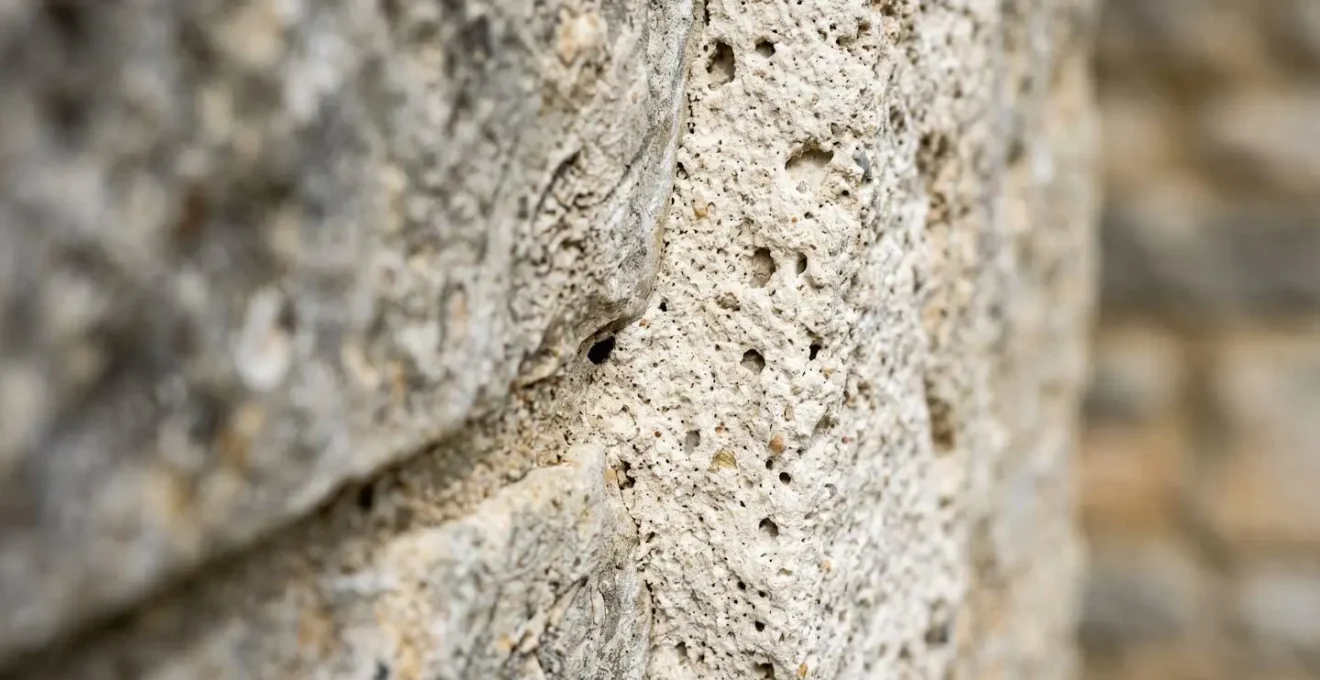
Other frequent causes include high ground levels outside bridging the original slate DPC, or poorly ventilated, capped-off chimney stacks that act like giant sponges, soaking up rainwater and distributing it down the chimney breast. Furthermore, modern lifestyles with power showers and tumble dryers introduce huge amounts of water vapour into homes that were never designed to handle it. Without adequate ventilation, this moisture condenses on the coldest surfaces—the external walls—and manifests as damp. The Society for the Protection of Ancient Buildings (SPAB) provides excellent guidance on tackling these issues sympathetically, focusing on ventilation and breathable materials rather than chemical barriers.
- Challenge the ‘rising damp’ myth: Most issues are penetrating damp or condensation. Avoid costly, unnecessary chemical injections.
- Inspect chimney stacks: Improperly capped chimneys can draw rainwater down into the house interior.
- Address modern lifestyle conflicts: Install timed extractor fans in bathrooms and kitchens to manage humidity.
- Add acoustic trickle vents: Allow moisture to escape without creating drafts or noise issues.
Why Does Water Reed Thatch Last Twice as Long as Wheat Straw?
Not all thatch is created equal. The material used has a profound impact on a roof’s longevity, maintenance schedule, and ultimately, its long-term cost. While both water reed and wheat straw can create a beautiful, traditional roof, their physical properties are vastly different. The lifespan of a thatched roof can range from 25 years to over 40 years, a difference that represents a significant capital expenditure.
The primary reason for this difference lies in the material science of the plants themselves. Water reed, particularly high-quality Norfolk Reed, is a hard, hollow, and naturally water-resistant material. It is applied in steeper, more defined layers that are designed to shed water quickly and efficiently from the surface. Combed wheat straw, by contrast, is a more perishable material. It is softer and tends to absorb more water. The thatching technique is also different; straw is often ‘wrapped’ around the roof, creating a softer, more rounded appearance but one that holds onto moisture for longer.
Case Study: Regional Thatching Materials and Techniques Across England
Water Reed, particularly premium Norfolk Reed, is a hard, hollow, water-resistant material harvested from the East Anglian fens. It’s applied in steeper, more defined layers that shed water efficiently. Combed Wheat Straw was the historic, more perishable choice in the agricultural heartlands of the Midlands and South, where it’s ‘wrapped’ around the roof rather than layered. The material dictates the technique, and finding a Master Thatcher specializing in the correct regional style is essential for authentic and durable results. While a water reed roof may cost 30% more upfront with its 50-year lifespan, it delivers a lower annualized cost than a 25-year straw roof, making it a capital investment that future buyers will appreciate.
This difference in lifespan has huge financial implications. A roof that needs replacing every 25 years (longstraw) is a much greater long-term liability than one that can last 40 years or more (water reed). When buying a thatched property, it’s not enough to know when the roof was last replaced; you must know what it was replaced with. This single detail is a powerful indicator of the major capital expenses you will face in the future.
Key Takeaways
- The high cost of thatched cottage ownership is a system of interconnected factors, not just the roof itself.
- Invisible infrastructure like drainage, broadband, and water pressure are as critical to your budget and lifestyle as visible character features.
- Modern legislation, particularly the 2020 General Binding Rules for septic tanks, can create huge, non-negotiable costs for new owners.
Why Does Your Thatched Roof Need Replacing After 25 Years When Tile Roofs Last 60?
We now return to the original question: the dramatic difference in insurance premiums. The £3,000 quote versus the neighbour’s £400 is the culmination of all the factors we’ve discussed. Insurers aren’t just looking at the thatch; they are performing a risk assessment on the entire property system. The higher premium reflects the increased risk associated with older materials, the potential for catastrophic loss from fire, and the high cost of specialist repairs for every element, from walls to drains.
The statistics are stark. The median annual insurance for thatched properties is £989, more than four times the £229 median for standard roofs. This gap is widening, with some data suggesting average premiums for thatched homes have risen over 300% in recent years. A property with a well-maintained water reed roof, modern wiring, a compliant sewage treatment plant, and a documented chimney sweeping record presents a much lower risk than one with an old straw roof of unknown age, outdated electrics, and a non-compliant septic tank. The neighbour paying £400 likely has all the risk-mitigation boxes ticked. The £3,000 quote is for a property where these are unknown or non-compliant.
However, you are not powerless. By systematically addressing these risk factors, you can significantly reduce your premium. This involves demonstrating to specialist insurers that you are a responsible custodian of a historic building. Proactive maintenance and documented safety measures are your most powerful tools.
- Obtain an Electrical Installation Condition Report (EICR) from a NICEIC-approved contractor every 3-5 years.
- Install an approved fire detection system, such as a THATCHBAT heat sensor, in the loft space.
- Maintain a documented logbook of professional chimney sweeping (twice annually for solid fuel stoves).
- Install fire safety measures like fire-resistant boards or foil barriers beneath the thatch.
- CRITICAL: Always use a specialist thatch insurance broker, not a mainstream comparison website, as they understand the specific risks and mitigation measures.
By approaching your search with this forensic mindset, you can identify a truly sound investment, negotiate from a position of knowledge, and secure the best possible terms for your insurance. This transforms the purchase from a risky gamble into a calculated decision, allowing you to enjoy the undeniable romance of your country cottage without fearing the next bill.