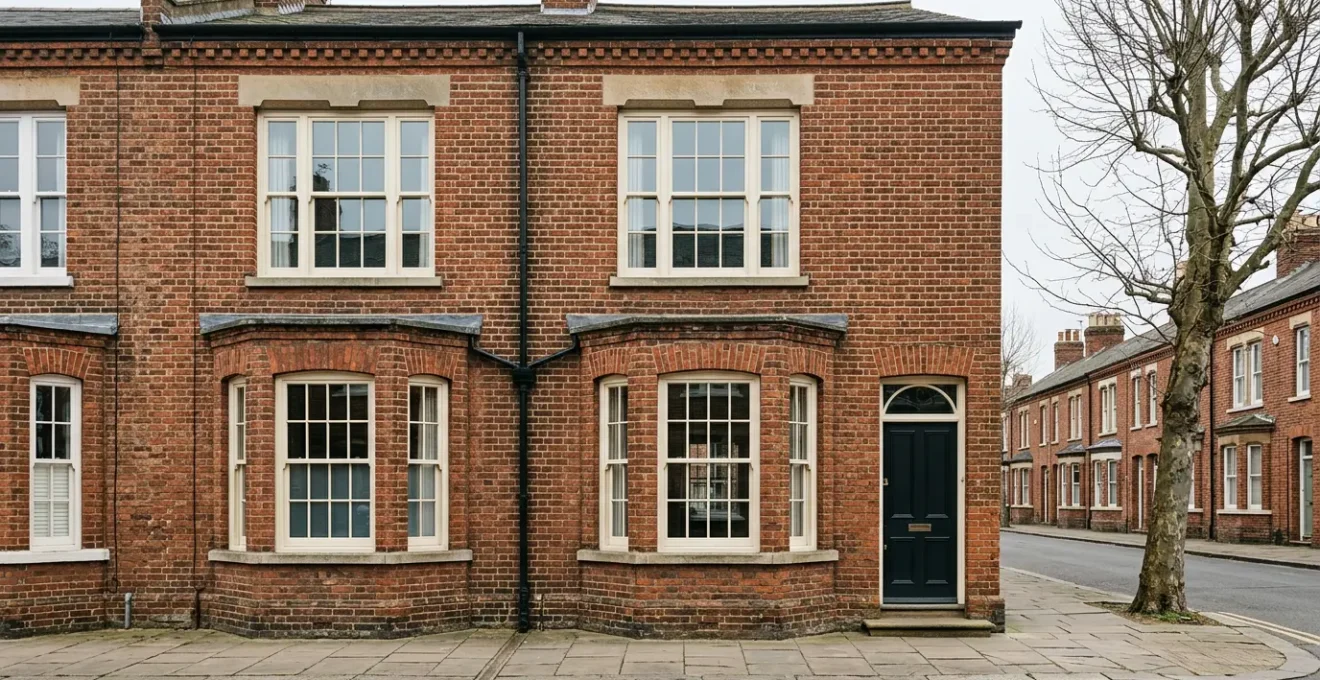
Contrary to the belief that modern windows are an upgrade, replacing original timber sashes with UPVC is a false economy that actively devalues your period property.
- The short lifespan and non-repairable nature of UPVC (25-35 years) contrasts sharply with the century-plus longevity of well-maintained timber.
- Restoration and discreet upgrades like draught-proofing are up to 60% cheaper than full replacement and can deliver a nearly 300% return on investment.
Recommendation: Before considering removal, treat your original windows as a heritage asset. Invest in a specialist assessment to explore restoration and thermal improvement options that enhance, rather than erase, value.
As a period property owner in England, the sight of peeling paint on an old sash window can trigger a familiar, nagging thought: perhaps it’s time for a modern, low-maintenance replacement. The allure of UPVC windows, heavily marketed as a cost-effective and energy-efficient solution, is powerful. They promise an end to draughts, rot, and the endless cycle of sanding and painting. Many homeowners believe this is a sensible, forward-thinking upgrade, a practical step towards modernising a historic home.
However, this common assumption masks a significant financial pitfall. This decision, often made with the best intentions, can inadvertently wipe thousands off your property’s value. The core mistake is viewing original sash windows as a liability to be eliminated, rather than a valuable heritage asset to be managed. But what if the true key to a warmer, more valuable home isn’t found in a plastic frame, but in unlocking the hidden potential of the 150-year-old timber already in place? This guide challenges the replacement myth, demonstrating that intelligent preservation and enhancement are not only more aesthetically appropriate but also a demonstrably superior financial strategy.
We will deconstruct the financial and practical arguments, moving from the fundamental longevity of materials to the serious legal risks in conservation areas. By exploring the real-world costs, returns, and regulatory hurdles, we will provide a clear roadmap for making a decision that protects both your property’s character and your financial investment.
Summary: Why Original Sash Windows Are a Better Investment Than UPVC Replacements
- Why Do 150-Year-Old Sash Windows Last Longer Than 15-Year-Old UPVC Units?
- How to Draught-Proof and Double-Glaze Original Sash Windows Without Removing Character?
- Full Sash Restoration or Secondary Glazing: Which Delivers Better Thermal Improvement per Pound?
- The UPVC Windows in a Conservation Area That Required Removal and Original Reinstatement
- When to Schedule Sash Window Restoration: Spring Before Painting Season or Autumn?
- Why Does Your Victorian House Have Damp Walls Despite No Visible Leaks?
- Why Can’t You Change Your Door Colour on a Grade II Property Without Formal Consent?
- Why Does Your Grade II Listed Cottage Require 8 Months of Paperwork Just to Replace a Window?
Why Do 150-Year-Old Sash Windows Last Longer Than 15-Year-Old UPVC Units?
The fundamental difference lies in the material philosophy: repair versus replace. Original sash windows were crafted from high-quality, slow-grown timber, a resource far superior to modern, fast-grown softwoods. This dense, stable wood was designed to last centuries, not decades. Its construction is modular; a rotten sill, a broken cord, or a cracked pane can be individually repaired or replaced by a skilled joiner. This is the essence of asset stewardship—maintaining and enhancing an existing asset. In contrast, UPVC is a disposable product with a finite lifespan.
Once the seals on a UPVC unit fail, causing the infamous “misted” or “cloudy” appearance, the entire unit must be replaced. The plastic itself degrades under UV light, becoming brittle and discoloured. It cannot be effectively repaired or repainted. This leads to the “UPVC Value Trap”: an initial saving is followed by a cycle of complete, costly replacements. As PM Sash Windows, North London specialists, note, “Timber sash windows, when well maintained, can last for 60–100 years or more. Unlike uPVC, which degrades and becomes brittle over time, wood can be repaired, repainted and updated.”
The lifespan comparison is stark. While a well-maintained timber window can easily exceed a century, data from London sash window specialists shows a typical lifespan for UPVC windows is just 25-35 years. The 150-year-old window on a Georgian terrace has survived because it was built to be maintained. A 15-year-old UPVC window is often already halfway through its service life, with its only future being a landfill.
How to Draught-Proof and Double-Glaze Original Sash Windows Without Removing Character?
The most common complaint levelled at original sashes is that they are draughty and thermally inefficient. This is a solvable problem, and the solution does not require ripping out the window. Modern conservation techniques allow for significant thermal upgrades that are almost invisible, preserving the delicate character and slender sightlines that define a period property. The key is to improve, not obliterate. This process addresses the window’s thermal integrity holistically.
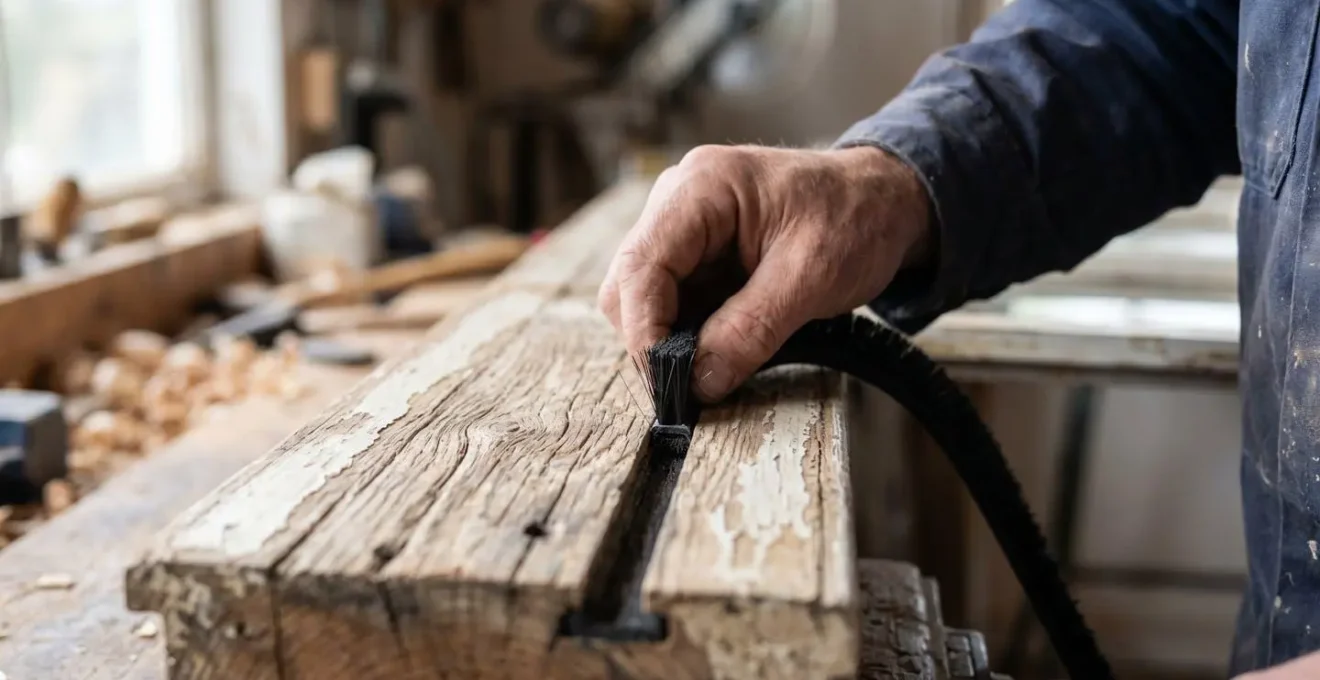
The first and most effective step is professional draught-proofing. This involves routing discreet grooves into the timber frame and fitting them with brush or compression seals. This single measure can have a dramatic impact. As conservation specialists report, professional draught-proofing can result in an air infiltration reduction of up to 86%, eliminating rattles and significantly reducing heat loss and noise pollution. The process is minimally invasive and retains the window’s original function and appearance.
To further enhance thermal performance, slender-profile double-glazing units can be retrofitted into the original sashes. These units use a reduced cavity and inert gas (like Krypton) to achieve excellent U-values without the need for bulky, modern frames. This maintains the fine glazing bars and putty-line details crucial to a window’s character. Alternatively, for many listed properties, high-quality secondary glazing offers a completely reversible solution that delivers comparable thermal and acoustic benefits without altering the historic fabric of the window itself.
Full Sash Restoration or Secondary Glazing: Which Delivers Better Thermal Improvement per Pound?
When approaching the thermal performance of period windows, homeowners face a choice: a deep restoration that may include retrofitting double glazing, or installing secondary glazing. The decision often hinges on the specific property’s listing status, the condition of the windows, and the budget. However, when measured in thermal improvement per pound spent, both options consistently outperform the ‘rip and replace’ alternative of UPVC. A full restoration tackles the root causes of heat loss—draughts, poor joinery, and single glazing—holistically.
Financially, keeping the original frames is almost always more cost-effective in the long run. Full replacement is a major capital expense, whereas restoration is an operational repair. In fact, research shows that retrofitting new sashes into original frames can cost 40-60% less than a full replacement with new box frames. This saving, combined with the retained property value, makes restoration a financially astute choice. Secondary glazing, being a less invasive addition, often presents the lowest initial outlay while offering significant acoustic and thermal benefits, making it an excellent value proposition, especially for Grade I or II* listed buildings where altering the original fabric is prohibited.
Case Study: The Streatham Property ROI
The financial power of preserving authenticity is not theoretical. A London vendor in Streatham spent £12,000 replacing ageing but original sash windows with new, high-performance double-glazed timber units that respected the property’s character. Following this sensitive upgrade, the property was revalued and subsequently sold for £35,000 more than its pre-renovation valuation. This demonstrated an immediate, quantifiable return on investment of nearly 300%, showcasing the “Authenticity Premium” that buyers are willing to pay for well-maintained period features.
This case study proves that money spent on appropriate, high-quality restoration is not a cost; it is a direct investment in the property’s capital value. The market clearly penalises plastic imitations and rewards authentic, high-performance timber.
The UPVC Windows in a Conservation Area That Required Removal and Original Reinstatement
Installing the wrong windows in a designated conservation area or on a listed building is not just an aesthetic mistake; it’s a significant regulatory risk that can lead to severe financial penalties. Local councils have strong enforcement powers to protect the character of these areas. An unauthorised installation of UPVC windows can trigger an enforcement notice, forcing the homeowner to remove the offending windows and reinstate appropriate timber-frame replacements entirely at their own expense.
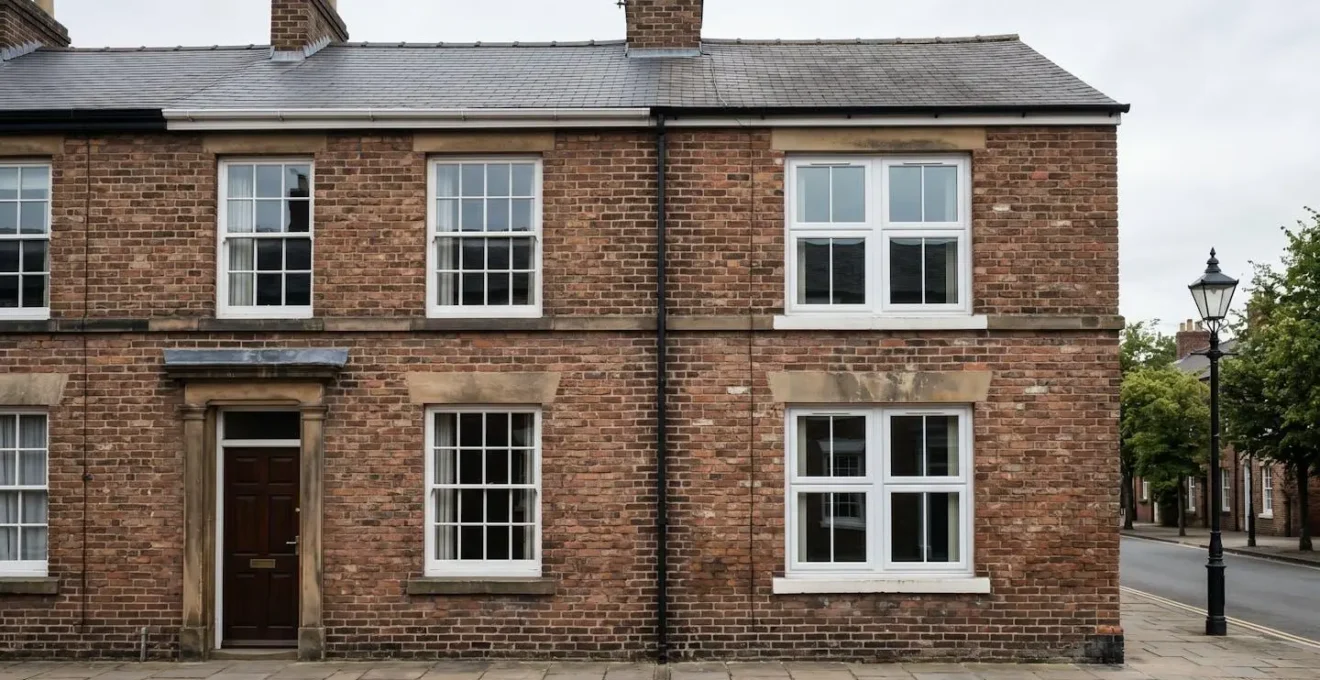
This is not a theoretical threat. It happens regularly across England. The sight of a Victorian terrace marred by chunky, characterless UPVC frames is precisely what conservation area legislation is designed to prevent. The financial blow is twofold: the initial cost of the UPVC windows is completely wasted, and the owner must then pay a premium for a rushed, council-mandated reinstatement project. As experts in UK conservation planning warn, this is a serious and costly error.
This is clearly articulated by specialists at Timber Windows Direct, who state:
The council can take enforcement action requiring you to remove non-compliant windows and reinstate appropriate ones — at your expense. There’s no time limit for enforcement in conservation areas.
– Timber Windows Direct, Conservation Area Window Replacement: The Complete Planning Guide
The phrase “no time limit” is crucial. An illegal installation from a decade ago can still be subject to an enforcement notice today, making it a ticking time bomb for an unsuspecting new owner. This is a risk that simply isn’t worth taking.
When to Schedule Sash Window Restoration: Spring Before Painting Season or Autumn?
Deciding to restore your sash windows is a wise investment, but planning the project strategically is key to a smooth, cost-effective process. The timing is influenced by weather, painter availability, and the long lead times for skilled conservation craftsmen. Most experts agree that late spring and summer are the ideal seasons for the physical work, as stable, dry weather is crucial for joinery repairs and paint curing. Scheduling the work to be completed before the autumn ensures your home is secure and thermally efficient ahead of winter.
However, the most critical scheduling error is underestimating the pre-production timeline. Good conservation joiners in England often have waiting lists of 6-12 months. Furthermore, if your property is listed or in a strict conservation area, you must factor in the time to obtain formal consent, which can take several months itself. Therefore, the planning phase must begin long before you intend the work to start. A well-thought-out restoration can be phased over several years to manage cash flow while strategically improving the property’s value and comfort.
Your Strategic Sash Window Restoration Plan
- Secure a specialist: Identify and secure a spot with a skilled conservation craftsman. Be aware that typical waiting lists in England can be 6-12 months, so this is your first step.
- Obtain consent early: If required, begin the Listed Building Consent or planning permission process immediately. This can take 3-6 months and should run concurrently with your wait for a craftsman.
- Phase the project: For a large property, consider a phased approach. A common strategy is to start with the front elevation windows in Year 1 for an immediate uplift in curb appeal and perceived value.
- Tackle thermal weak spots: In Year 2, focus on the colder, often north-facing, rear windows to complete the building’s thermal envelope and maximise comfort.
- Coordinate with other trades: Crucially, schedule window restoration before any final interior re-plastering or decoration to avoid damaging expensive new finishes around the window reveals.
This strategic approach transforms a daunting task into a manageable, long-term asset management plan, ensuring maximum return and minimal disruption.
Why Does Your Victorian House Have Damp Walls Despite No Visible Leaks?
One of the most insidious and often misdiagnosed problems in period properties is the appearance of damp and mould on interior walls, particularly around windows. When there are no obvious leaks from the roof or plumbing, homeowners are often baffled. The culprit, surprisingly, can be the “modern” UPVC windows that were installed to solve other problems. Victorian houses were designed to breathe. They were built with lime mortar and plaster, materials that allow moisture to pass through the building fabric and evaporate away.
Original timber sash windows were a key part of this system. They are not airtight, allowing for gentle, continuous background ventilation. When these are replaced with perfectly sealed UPVC units, the building’s natural ability to manage moisture is compromised. Condensation that would have previously been managed by airflow now collects on the cold, impervious surfaces of the windows and surrounding walls, creating the perfect breeding ground for mould. This trapping of moisture within the wall structure can lead to more serious issues like timber decay and plaster damage.
This is where the financial damage extends beyond simple repair costs. A property with damp issues is significantly devalued. Furthermore, discerning buyers and surveyors immediately recognise inappropriate UPVC windows as a red flag, not just for aesthetic reasons, but for the potential structural issues they can cause. Restoring or reinstating breathable timber windows is not just about looks; it’s about restoring the building’s fundamental health. As recent property performance data reveals, restoring period features can increase property value by up to 15%—a direct reflection of the market’s preference for authentic, healthy homes.
Why Can’t You Change Your Door Colour on a Grade II Property Without Formal Consent?
Owning a Grade II listed property means you are the custodian of a piece of national heritage. The “listing” applies to the entire building, inside and out, and sometimes even to structures within its curtilage. The primary goal of the legislation is to manage change, not prevent it entirely. However, any alteration that could affect the building’s special architectural or historic interest requires a formal application for Listed Building Consent (LBC). This principle extends even to seemingly minor details like the colour of your front door.
From the perspective of a conservation officer, a front door’s colour is not just a personal choice; it’s an integral part of the building’s historic character and its contribution to the streetscape. A historically inappropriate colour could detract from that character. While a simple repaint in the existing colour is considered maintenance and doesn’t require consent, a change of colour does. This demonstrates the level of detail and control involved in protecting listed buildings. It’s crucial for owners to understand this mindset and work with, not against, their local council’s conservation department. Engaging in pre-application advice can save enormous amounts of time and potential conflict.
To clarify what might or might not need consent, it’s helpful to think in terms of a traffic light system:
- Green Light (Consent Unlikely Needed): True like-for-like repairs using identical materials and methods to the original. This is pure maintenance.
- Amber Light (Consent May Be Needed): Minor alterations like changing the paint colour on a front door or external joinery. It’s always best to check with the conservation officer first.
- Red Light (Consent Definitely Needed): Any significant change, such as replacing a window, altering its opening mechanism (e.g., from sash to casement), or changing the pattern of glazing bars. This requires a full LBC application.
As experts at Hugo Carter advise, a small fee for pre-application advice (often £100-£300) is a wise investment to avoid potential fines and the stress of enforcement action.
Key takeaways
- Original timber sash windows are repairable, long-lasting assets; UPVC windows are disposable products with a short, finite lifespan.
- Restoring and upgrading original sashes with modern draught-proofing and slimline double glazing is more cost-effective and yields a higher ROI than UPVC replacement.
- Unauthorised window replacements in conservation areas or on listed buildings carry a significant regulatory risk, including forced removal at the owner’s expense.
Why Does Your Grade II Listed Cottage Require 8 Months of Paperwork Just to Replace a Window?
The prospect of an eight-month administrative process just to replace a single window seems, on the surface, like bureaucratic excess. However, it reflects the immense legal and historical weight given to preserving a listed building’s fabric. For a conservation officer, replacing a window is not a simple swap; it is the permanent removal of historic fabric and the introduction of a new element that must be justified as absolutely necessary and perfectly appropriate. The burden of proof lies entirely with the homeowner.
The lengthy process is designed to ensure that every possible alternative to removal has been explored and that the proposed replacement is of the highest quality and historical accuracy. This involves detailed architectural drawings, a robust heritage impact statement proving the existing window is beyond economic repair, and extensive consultation with bodies like Historic England. Each stage is a check and balance to prevent irreversible mistakes. The timeline is not arbitrary; it is a structured, statutory process. The table below, based on guidance from conservation specialists, breaks down this daunting but necessary journey.
| Timeline Phase | Duration | Key Activities | Stakeholders Involved |
|---|---|---|---|
| Month 1-2 | 8 weeks | Engage conservation architect to produce detailed technical drawings and cross-sections | Homeowner, AABC/RIBA-accredited architect |
| Month 3 | 4 weeks | Prepare robust Heritage Impact Statement with condition survey proving beyond economic repair | Conservation architect, Heritage consultant |
| Month 4 | 1 week | Submit formal Listed Building Consent application to Local Authority | Homeowner, Local Authority planning department |
| Month 4-6 | 8-12 weeks | Statutory consultation period: Council officers, Historic England, Parish Council review | Local Authority Conservation Officer, Historic England Inspector (Grade I & II*), Parish Council |
| Month 6-8 | 8 weeks | Planning committee meetings, formal decision, discharge of pre-commencement conditions | Planning Committee, Conservation Officer |
This table illustrates why the ‘ask for forgiveness, not permission’ approach is catastrophic for listed property owners. The process is a formal, legal undertaking that underscores the principle of asset stewardship. It forces a long-term view, protecting the property’s character—and ultimately its value—from short-sighted decisions.