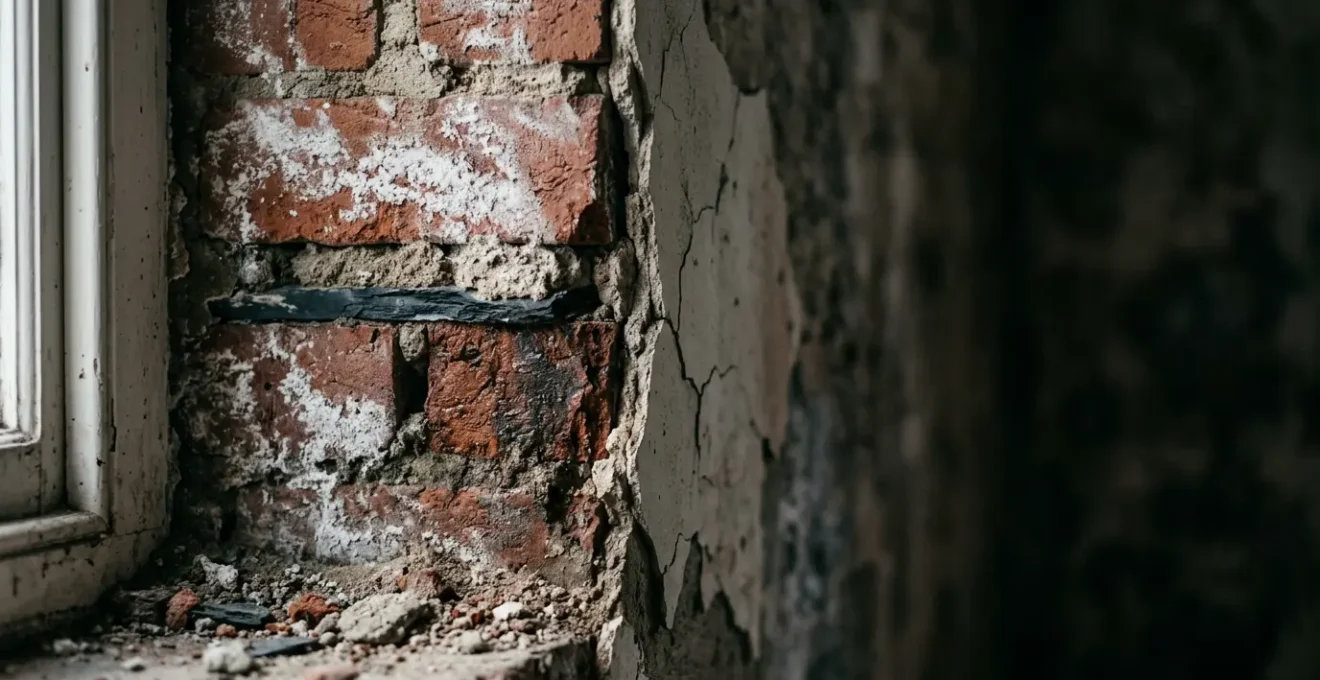
That £30,000 damp repair quote for your Victorian terrace isn’t for fixing a defect; it’s often the price of a fundamental misdiagnosis caused by applying modern, non-breathable solutions to a historic building.
- Victorian homes were built to ‘breathe’ using materials like lime mortar; modern cement and gypsum plaster trap moisture, creating damp problems where none existed.
- ‘Rising damp’ is frequently misidentified. The issue is often condensation or hygroscopic salts, making expensive chemical damp-proof course injections ineffective and damaging.
- Replacing original features like timber sash windows actively destroys property value and can breach planning laws in Conservation Areas.
Recommendation: Prioritise surveys from independent, heritage-specialist surveyors and insist on breathable materials to protect both the building’s character and your financial investment.
The allure of a Victorian terrace is undeniable. The bay windows, the intricate brickwork, the promise of high ceilings and original fireplaces—it’s a vision of English domestic charm. You find the perfect property, a home filled with character, and begin to imagine your life there. Then, the survey report lands with a thud. Words like “extensive damp,” “urgent remedial work,” and a chilling quote approaching £30,000 shatter the dream. It feels like you’ve uncovered a fatal flaw, a money pit disguised by period features.
The conventional wisdom, often promoted by general builders and “damp-proofing” specialists, points to familiar culprits: rising damp, failing damp-proof courses (DPCs), and inefficient old windows. The proposed solutions are equally modern and aggressive: chemical DPC injections, hacking off original plaster to be replaced with cement-based renders, and tearing out timber sashes for uPVC units. But what if this entire approach is fundamentally wrong? What if the problem isn’t that your Victorian house is broken, but that we’re trying to fix it with incompatible, modern technology?
The staggering cost of damp work in period properties often stems not from decay, but from a clash of physics. These houses were designed as breathable systems, and treating them like sealed modern boxes is the root cause of the very issues we try to solve. This article will deconstruct the myths that lead to these eye-watering bills. We will explore why your house has damp despite no leaks, how to differentiate authentic features from cheap reproductions, and why “sympathetic restoration” is an investment, not an expense.
By understanding the science of how your period home was built to function, you can challenge the misdiagnoses, avoid costly and damaging work, and protect the very character and value you fell in love with. This guide provides the critical knowledge to turn a potential financial liability back into a cherished heritage asset.
Summary: A Buyer’s Guide to the True Cost of Victorian Terrace Maintenance
- Why Does Your Victorian House Have Damp Walls Despite No Visible Leaks?
- How to Tell Whether Your Edwardian Fireplace Is Original or a Modern Reproduction?
- Full Restoration or Sympathetic Modernisation: Which Approach Maximises Victorian Terrace Value?
- The Victorian Terrace Claim Rejected Because the Insurer Didn’t Cover Lime Mortar Repairs
- When to Survey a Victorian House: Summer When Dry or Winter to See Active Damp Issues?
- How to Draught-Proof and Double-Glaze Original Sash Windows Without Removing Character?
- Terraced House or Detached: Which Property Type Has Appreciated Faster Over the Past 30 Years?
- Why Does Replacing Your Original Sash Windows Reduce Your Property Value by £15,000?
Why Does Your Victorian House Have Damp Walls Despite No Visible Leaks?
The most common and terrifying diagnosis for a period property buyer is “rising damp.” It conjures images of moisture creeping up from the ground, rotting timbers and crumbling plaster. It’s a huge issue, with over 60% of Victorian and Edwardian homes in England affected by damp in some form. However, the diagnosis itself is often a catastrophic misinterpretation. Victorian houses were built without the plastic membranes or chemical damp-proof courses (DPCs) of modern homes. Instead, they were designed to manage moisture through breathability. The walls, constructed with soft bricks and lime-based mortar, were intended to absorb moisture from the air and ground and then release it harmlessly through evaporation.
The problem begins when we apply modern, non-permeable materials to these breathable structures. A layer of cement render, a coat of standard vinyl paint, or gypsum plaster acts like a plastic bag, trapping moisture inside the wall. This trapped moisture then builds up until it becomes visible, at which point a “damp specialist” with a surface moisture meter will likely diagnose rising damp and sell you a costly—and useless—chemical DPC injection. This treatment does nothing to solve the root cause, which is a lack of breathability, and can actively damage the historic brickwork.
Often, the “damp” detected isn’t even excess water. It’s the presence of hygroscopic salts, which are common in old buildings from sources like chimney soot or even historic contamination. These salts absorb moisture directly from the atmosphere, making a wall feel damp and register as “wet” on a basic moisture meter, even if the wall itself is structurally dry. This is a classic diagnostic fallacy that leads thousands of homeowners down a path of expensive and unnecessary work.
Case Study: The Misdiagnosis of ‘Rising Damp’ in a Victorian Shop
An independent damp survey of a Victorian shop in England, which had been quoted over £2,000 for a chemical DPC injection, revealed the true cause. Walls that read as “damp” were found to contain hygroscopic salts from historic coal soot and horse urine. Specialist data loggers confirmed the wall’s actual moisture content was under 2%—bone dry. The salts were simply drawing ambient moisture from the air. The correct, and much cheaper, solution was to improve ventilation and seal the salt-contaminated surfaces with an appropriate primer, avoiding any invasive structural work, as detailed in an insightful analysis of the case.
Your Action Plan: How to Identify a Genuine Heritage Surveyor
- Verify their toolkit: A true expert uses multiple diagnostic tools (thermal imaging, deep-probe meters, salt testing), not just a surface moisture meter in isolation.
- Check for independence: Confirm the surveyor is not affiliated with a company that sells chemical treatments or earns commission on recommended works. Be wary of “free” surveys.
- Assess their methodology: They should investigate external causes first—gutters, ground levels, pointing, ventilation—before ever suggesting invasive internal solutions.
- Question their qualifications: Ask if they hold relevant qualifications (e.g., RICS, PCA, or CSRT) and specifically question their understanding of breathable materials for pre-1919 buildings.
- Challenge the diagnosis: Directly question any diagnosis of ‘rising damp’ that isn’t supported by evidence ruling out penetrating damp, condensation, or a bridged DPC.
How to Tell Whether Your Edwardian Fireplace Is Original or a Modern Reproduction?
After navigating the perils of damp, your focus may turn to the features that give a period home its soul. The fireplace is often the heart of a Victorian or Edwardian room, but its authenticity can be deceptive. A genuine period fireplace adds significant character and value, while a modern reproduction, however well-made, lacks the same historic integrity. Telling them apart requires a keen eye for the subtle details of historic craftsmanship.
The first place to look is for a maker’s mark. Famous British foundries of the era, such as Coalbrookdale, Carron Company, or Thomas Elsley, often stamped their cast iron pieces on the back or inside the firebox. These marks are the clearest proof of origin. The quality of the casting itself is another major clue. Original fireplaces were hand-finished, resulting in crisp details with slight, charming irregularities. Modern reproductions often have a uniform, machine-cast sharpness that can look sterile, or conversely, a blurry lack of definition from being cast from a mould of an original.
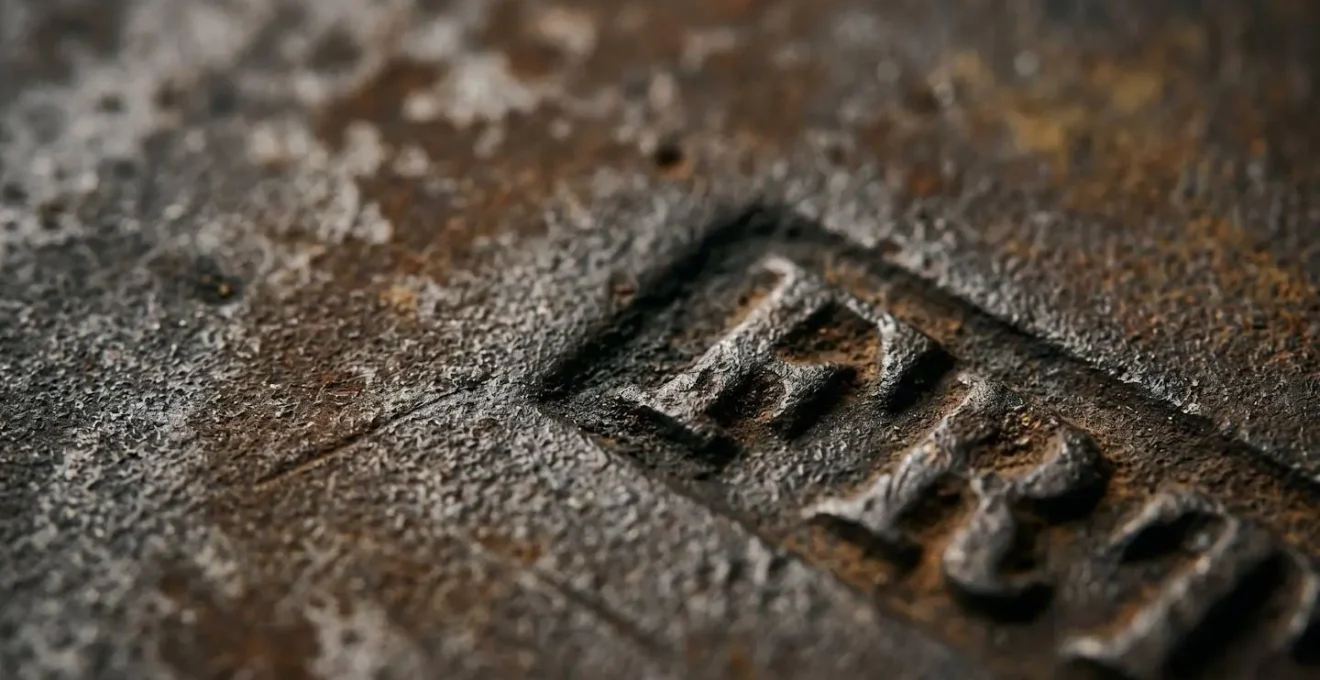
As the image above illustrates, the texture and patina of the metal itself tells a story. Look at the fixings; original pieces will use traditional slotted screws, whereas the discovery of a Phillips-head or pozidriv screw is a dead giveaway of a later installation or a reproduction. Finally, inspect the tiles. Edwardian fireplaces often featured tiles from famous makers like Minton, which display hand-painted details and subtle colour variations. Modern tiles made with transfers have a perfect, printed uniformity that is easy to spot once you know what to look for. Even the proportions matter: Edwardian design moved towards a more geometric, simpler aesthetic compared to the ornate Victorian style, so an overly fussy design may be a later pastiche.
Full Restoration or Sympathetic Modernisation: Which Approach Maximises Victorian Terrace Value?
When facing a renovation, owners of Victorian terraces stand at a crossroads: should you pursue a “quick-fix modernisation” using standard modern materials, or invest in a “sympathetic restoration” using traditional, breathable ones? The choice has profound implications for both the building’s health and its long-term market value. While modern methods appear cheaper and faster upfront, they often represent a false economy that traps moisture, degrades the building’s fabric, and ultimately reduces its value.
Sympathetic restoration is about working *with* the building’s original design, not against it. This means repairing sash windows instead of replacing them with uPVC, using lime-based plaster and mortar instead of cement and gypsum, and choosing breathable paints. This approach maintains the vapour-permeable “breathable” envelope of the house, preventing the moisture build-up that characterises modernised period properties. While the upfront cost is higher due to specialist materials and labour, it is a one-time investment that preserves the building’s structural integrity and character.
In contrast, quick-fix modernisation introduces material incompatibility. Sealing walls with non-breathable materials leads to interstitial condensation, mould, and the eventual decay of hidden timber elements. It also erodes the very character that makes these homes desirable. A knowledgeable buyer will immediately spot the tell-tale signs of inappropriate work and either walk away or factor the high cost of reversal into their offer. As one expert in a guide to Victorian terrace renovation costs notes, “Victorian terraces in prime English locations often show more resilient price growth during downturns due to their unique character and limited supply.” Destroying that character is financial folly.
| Renovation Approach | Materials & Methods | Cost per m² (2026) | Potential Issues |
|---|---|---|---|
| Quick-Fix Modernisation | uPVC windows, gypsum plaster, cement mortar, waterproof paint | £800 – £1,200 | Traps moisture, creates condensation, devalues property, breaches Conservation Area rules, voids insurance |
| Sympathetic Restoration | Sash window restoration, lime plaster/mortar, breathable paints, suspended timber floors | £1,800 – £2,200 | Higher upfront cost, requires specialist contractors, longer timelines, but legally compliant and preserves value |
The Victorian Terrace Claim Rejected Because the Insurer Didn’t Cover Lime Mortar Repairs
One of the most overlooked financial risks of owning a period property is inadequate insurance. Most standard home insurance policies are designed for modern houses and contain clauses that can be disastrous for a Victorian terrace owner. A common pitfall is the “like-for-like” repair clause. On a modern home, this means replacing a damaged material with the same modern material. On a period home, it *should* mean replacing a damaged material with the same *historic* material, such as lime mortar. However, many standard insurers will refuse to pay for this.
Imagine a small area of your external brickwork is damaged by a storm. A sympathetic repair requires a specialist to rake out the old mortar and repoint using a breathable lime mortar, costing perhaps £2,000 – £6,000. Your standard insurer may reject the claim, arguing that a cheaper cement-based repair is sufficient. If you accept the cement repair, you introduce a non-breathable patch that will trap moisture and cause the surrounding brickwork to decay. If you insist on the correct lime mortar repair, you may have to pay for it entirely out of pocket. This is a common scenario where owners are financially penalised for doing the right thing for their property.
This is why specialist heritage insurance is not a luxury but a necessity. Policies from providers like Hiscox, NFU Mutual, or Ecclesiastical are specifically written to understand the needs of older buildings. They explicitly cover the higher cost of traditional materials and craftsmanship, ensuring that a “like-for-like” repair means a genuinely sympathetic and appropriate one. The annual premium may be £150-£300 higher, but this small extra cost provides certainty and protects you from a potential £6,000 bill and the long-term damage caused by an inappropriate repair. To secure this coverage, meticulous documentation—photographic records of features, receipts for specialist materials, and reports from accredited heritage contractors—is invaluable evidence.
When to Survey a Victorian House: Summer When Dry or Winter to See Active Damp Issues?
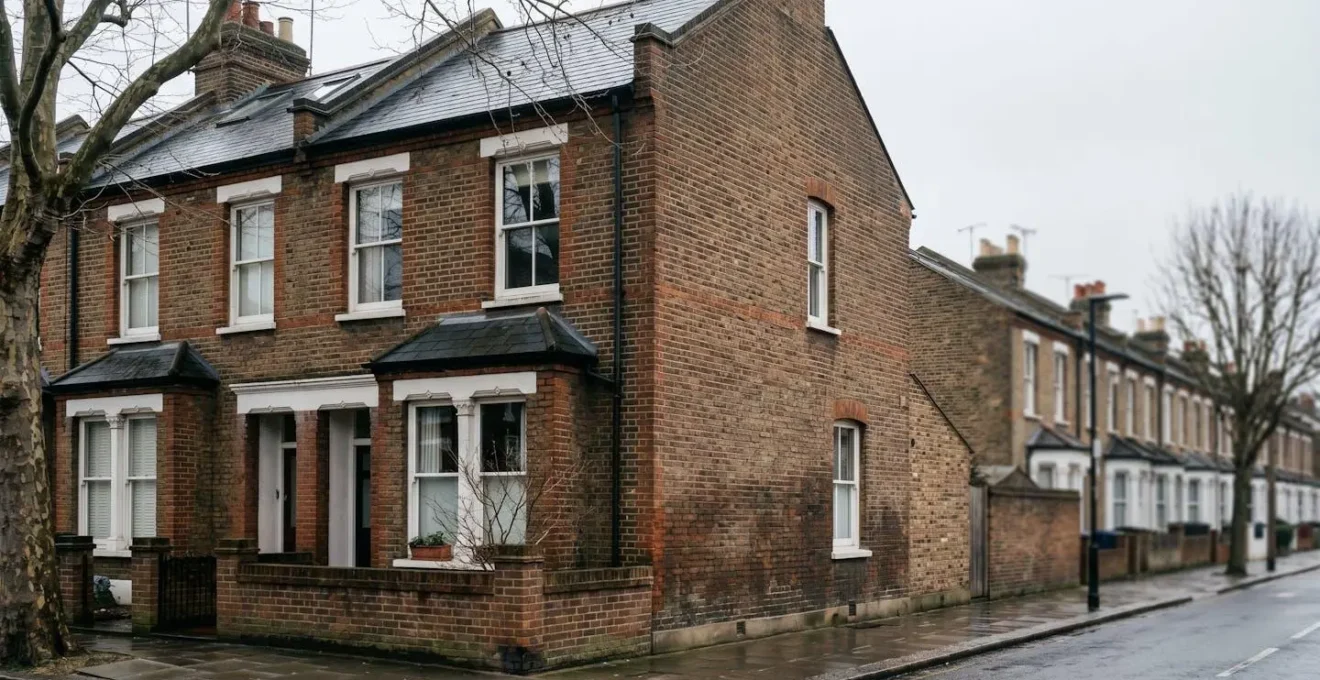
Timing is everything when buying a Victorian house, especially when it comes to the survey. Viewing a property on a sunny day in August can be dangerously misleading. The walls are dry, the air is fresh, and potential damp issues are dormant and invisible. This is how many buyers fall into a trap, only to discover leaks, condensation, and musty smells when the wet weather arrives. According to property transaction data, this is a major issue, as more than 30% of Victorian-era property sales collapse over damp issues that evade early detection.
The solution is a strategic, two-stage survey approach. By all means, conduct your initial viewings in the summer to assess the property’s character, light, and general condition. But the critical, full RICS Level 3 Building Survey should be commissioned during the wettest winter months (November to February). This is when the building is under maximum moisture load. Active leaks from gutters, penetrating damp on exposed walls, and condensation patterns will be clearly visible and detectable to a qualified surveyor. Surveying in winter turns the building’s weaknesses into diagnostic strengths.
A specialist heritage surveyor will use this opportunity to deploy their full toolkit. A thermal imaging camera will reveal cold spots and hidden moisture patterns behind plaster. Deep-probe damp meters will test moisture content within the wall’s core, not just the surface. Crucially, they can perform tests to distinguish between genuine water ingress and the misleading readings caused by hygroscopic salts. The findings from a thorough winter survey provide you with undeniable evidence of the property’s true condition. This information is a powerful negotiation tool, allowing you to request a price reduction based on firm estimates for the necessary sympathetic repairs, potentially saving you tens of thousands of pounds.
How to Draught-Proof and Double-Glaze Original Sash Windows Without Removing Character?
Original timber sash windows are one of the most significant character-defining features of a Victorian terrace. They are also often, and unfairly, blamed for high energy bills and draughts, leading many owners to consider replacing them with uPVC. This is almost always a mistake—financially, aesthetically, and often legally. The good news is that you can dramatically improve the performance of original sash windows without sacrificing their character. The key is restoration, not replacement.
The most cost-effective first step is traditional draught-proofing. This involves routing small grooves into the window’s timber frame and fitting them with brush piles and compression seals. This simple, invisible process can reduce heat loss by 15-20% for a few hundred pounds per window, eliminating draughts while maintaining the window’s full operational function and appearance. The next level of improvement is secondary glazing. A slim, discreet internal pane is fitted, which can reduce heat loss by a further 40-50%. It’s highly effective and, because the original window remains untouched, it is usually permitted even in Conservation Areas.
For those seeking the highest performance, it’s possible to install slim-profile vacuum-sealed double-glazing units into the original timber sashes. This is a specialist job and more expensive, but it offers performance comparable to new windows while retaining the authentic frames and mouldings. However, this level of alteration often requires planning permission. In many Conservation Areas, local councils have implemented Article 4 Directions, which remove permitted development rights for window replacement, making restoration the only legal option.
| Treatment Option | Cost per Window (2026) | Energy Efficiency Gain | Planning Permission Required | Character Impact |
|---|---|---|---|---|
| Traditional Draught-Proofing | £250 – £350 | 15-20% heat loss reduction | No (permitted development) | Invisible, zero character loss |
| Secondary Glazing | £450 – £600 | 40-50% heat loss reduction | Usually no, unless Listed | Minimal – retains original glass |
| Slim-Profile Double Glazing | £1,200 – £1,800 | 60-70% heat loss reduction | Yes in Conservation Areas | Low – retains original frame |
| uPVC Replacement | £400 – £800 | 50-60% heat loss reduction | Yes – often refused | Catastrophic – destroys value |
Terraced House or Detached: Which Property Type Has Appreciated Faster Over the Past 30 Years?
When considering a property as a financial investment, the debate between terraced and detached homes often arises. Detached homes offer privacy and space, but period terraces, particularly Victorian and Edwardian examples in desirable English towns and cities, possess a unique investment characteristic: value density. While they may come with significant maintenance liabilities— damp fixes, roof repairs, and foundation work can easily add £15,000 to £40,000 to renovation budgets—their long-term appreciation is often more resilient.
This resilience is driven by a simple economic principle: scarcity. The number of authentic, well-preserved Victorian terraces is finite. As cities expand and new-build estates proliferate, the supply of genuine period housing stock remains fixed. This scarcity, combined with enduring architectural appeal, creates a consistent demand from a segment of the market that values character above all else. This is the essence of value density—the property’s worth is heavily concentrated in its irreplaceable historic character.
Period terraces in prime English locations often show more resilient price growth during downturns due to their unique character and limited supply, introducing the concept of value density and scarcity value.
– UK property investment analysis, Victorian terrace investment return analysis
In contrast, the value of many modern detached homes is more closely tied to generic factors like square footage and location. While these are important, they lack the “moat” of architectural scarcity. During market downturns, when buyers become more discerning, the unique appeal of a period terrace can help it hold its value more effectively than a more generic property. Therefore, while the initial and ongoing costs can be higher, the investment in a sympathetically maintained period terrace is often an investment in a scarce and appreciating asset class.
Key Takeaways
- Victorian homes require ‘breathable’ materials like lime mortar; modern cement and gypsum trap damp, creating severe moisture problems.
- ‘Rising damp’ is frequently a misdiagnosis for condensation or hygroscopic salts, leading to costly and ineffective chemical treatments.
- Replacing original features like timber sash windows with uPVC can devalue a property by over £15,000 and may be illegal in Conservation Areas.
Why Does Replacing Your Original Sash Windows Reduce Your Property Value by £15,000?
The figure of a £15,000 devaluation for replacing original sash windows with uPVC is not an arbitrary number; it is a direct calculation of the cost a future buyer will face to rectify the mistake. When you purchase a period property, especially in a Conservation Area, you are buying a piece of architectural heritage. Plastic windows are an immediate and jarring signal that the property’s character has been compromised. As heritage property consultants note, “Plastic windows are an immediate red flag that suggests the owner has likely cut corners on other, less visible, maintenance.”
A knowledgeable buyer, upon seeing uPVC windows, will immediately deduct the cost of their replacement from any offer they make. This is not just a negotiating tactic; it’s a reflection of a real, inherited liability. The process of reversing the damage is expensive and complex. It involves removing the plastic units, commissioning a specialist joinery company to manufacture bespoke, historically accurate timber sash windows, paying for professional installation by heritage-aware contractors, and then covering the costs of finishing and decoration. In many cases, especially if the original change was done without permission in a protected area, it may also involve fees for a retrospective planning application.
The Real Cost of Reversing a uPVC Mistake
The total cost to a new owner to reverse an inappropriate window replacement typically reaches £13,000-£18,000. This includes around £1,500 per window for bespoke manufacturing, £3,000-£5,000 for specialist installation, plus costs for removal, finishing, and potential planning fees. Buyers are acutely aware of this, as detailed in valuations of modernised terraces. They inherit not just the cost but also the legal obligation to rectify unauthorised alterations, a risk most will not take on without a significant price reduction. High-end buyers seeking authentic character will often simply move on to the next property on the street that has retained its original features.
This financial penalty is compounded by the legal risks. If the property is Listed or in a Conservation Area with an Article 4 Direction, the local council can serve an enforcement notice, compelling the owner to reinstate the original-style windows at their own expense. Furthermore, some mortgage lenders may refuse to lend on a property with such unauthorised alterations until the issue is rectified. The short-term saving of installing cheap plastic windows creates a significant, long-term financial and legal liability that directly erodes the property’s capital value.
To truly protect your investment and the heritage of your home, the next logical step is to engage with professionals who specialise in historic buildings. Insist on independent surveyors with proven experience in period properties and work only with contractors who understand and respect traditional materials and methods.