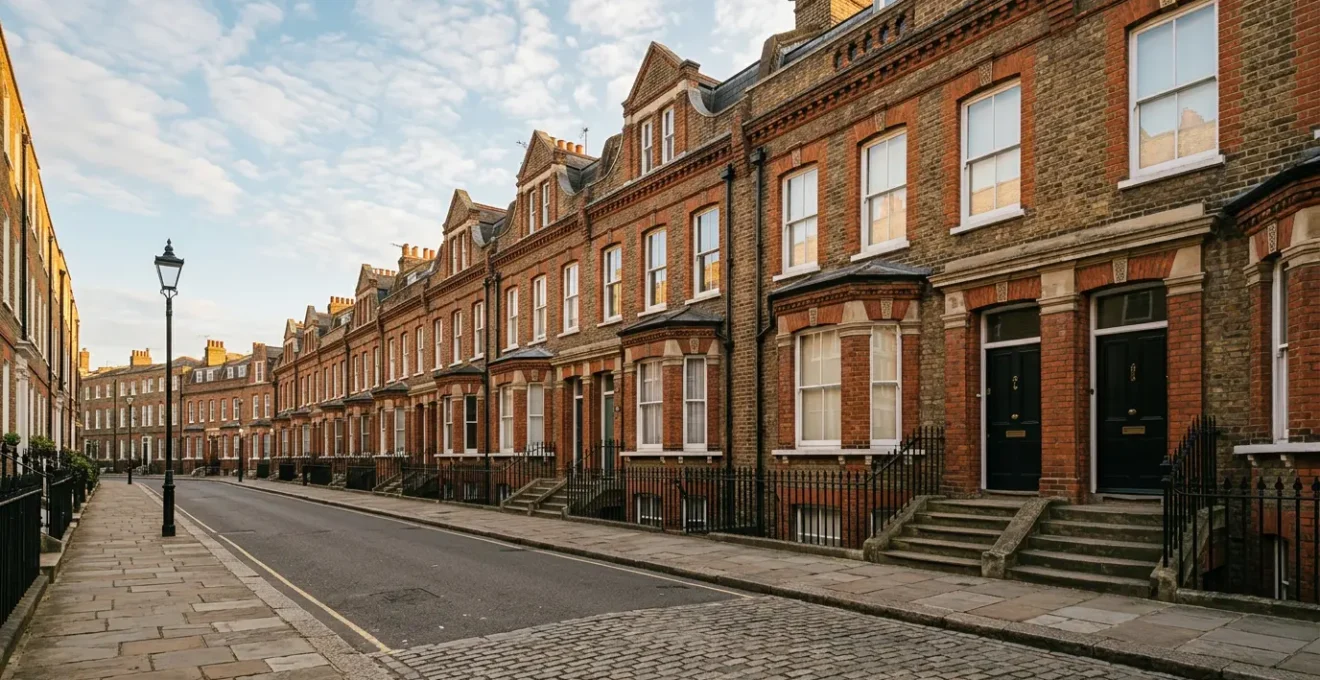
The 20% freehold value premium isn’t arbitrary; it’s the calculated financial result of specific ownership rights and the avoidance of significant, compounding leasehold costs.
- Freehold provides unfettered control, allowing for extensions and alterations without costly landlord permissions, which directly adds capital value.
- Leasehold properties carry inherent, depreciating financial liabilities like ground rent and the ever-present cost of a future lease extension, which erodes their worth over time.
Recommendation: Always analyse a property’s tenure not just as a legal status, but as a critical factor on its long-term financial balance sheet before making a purchase decision.
As a specialist solicitor in property tenure, I am frequently asked why a freehold property commands such a significant price premium over an equivalent leasehold. The figure often quoted is around 20%, but this isn’t just market sentiment; it is a quantifiable delta rooted in the fundamental legal and financial differences between owning a property outright and merely leasing it for a long period. Many buyers focus on the obvious drawbacks of leaseholds, such as ground rent and service charges. While these are important, they are merely the tip of the iceberg.
The true value of freehold ownership, and the corresponding discount applied to leaseholds, is a composite of several powerful factors. It encompasses the financial value of autonomy—the right to develop and improve your property without a landlord’s consent. It includes the strategic avoidance of huge, predictable costs, such as the premium for a lease extension, which escalates dramatically as the lease term shortens. Furthermore, it involves mitigating complex legal risks, like those associated with a “flying freehold,” which can render a property unmortgageable and thus drastically reduce its market value.
This article will move beyond the generic “freehold is better” advice. We will dissect the 20% premium, examining the specific legal mechanisms and financial calculations that contribute to it. We will explore how the power to build an extension, the right to acquire the freehold, the timing of legislative reforms, and even the very structure of your title deed each play a crucial role in determining your property’s ultimate worth. Understanding these components is not just academic; it is essential for any owner or buyer in England seeking to maximise the value of their most significant asset.
To navigate these complex considerations, this article breaks down the key questions and scenarios that define the value difference between freehold and leasehold. The following summary outlines the path we will take to build a comprehensive understanding of tenure-driven value.
Summary: Unpacking the 20% Value Gap Between Freehold and Leasehold
- Why Can a Freeholder Build an Extension Without Landlord Permission?
- How to Buy Your Building’s Freehold with Neighbours and Split Costs Fairly?
- Buying the Freehold or Extending Your Lease by 90 Years: Which Saves More Over 20 Years?
- The Strip of Bedroom Over Your Neighbour’s Garage That Scared Away 3 Buyers
- When to Buy Your Freehold: Before Leasehold Reform Legislation or Under Current Rules?
- Freehold or Leasehold: Which Structure Attracts Lower Stamp Duty on a £750,000 Purchase?
- Why Can Your Neighbour Still Have a Legal Right to Cross Your Freehold Garden?
- Why Does “Freehold” on Your Title Deed Not Mean You Can Do Whatever You Want?
Why Can a Freeholder Build an Extension Without Landlord Permission?
One of the most significant components of the freehold value premium is the “unfettered control” an owner has over their property. A freeholder owns the building and the land it stands on, granting them the power to alter or extend their home without seeking permission from a landlord, which is a lengthy and often costly process for leaseholders. This freedom is not absolute—planning permission and building regulations still apply—but it removes a major barrier to adding value. For many common projects, such as single-storey rear extensions, a freeholder can proceed under Permitted Development Rights (PDR), bypassing the need for a full planning application altogether.
This autonomy has a direct and calculable financial benefit. The ability to add a bedroom, a larger kitchen, or a home office can substantially increase a property’s square footage and, consequently, its market price. A leaseholder, by contrast, is constrained by the terms of their lease. Their lease will almost invariably require them to obtain a “licence to alter” from the freeholder for any significant works. This process involves legal and surveyor fees for both sides, which the leaseholder must pay, and the landlord can refuse permission or demand a premium for the privilege. This financial and administrative burden is a liability that is priced into the value of a leasehold property. The scale of this activity is significant; government planning statistics show that 55% of all PDR applications in the third quarter of 2024 were for large householder extensions, a right primarily exercised by freeholders.
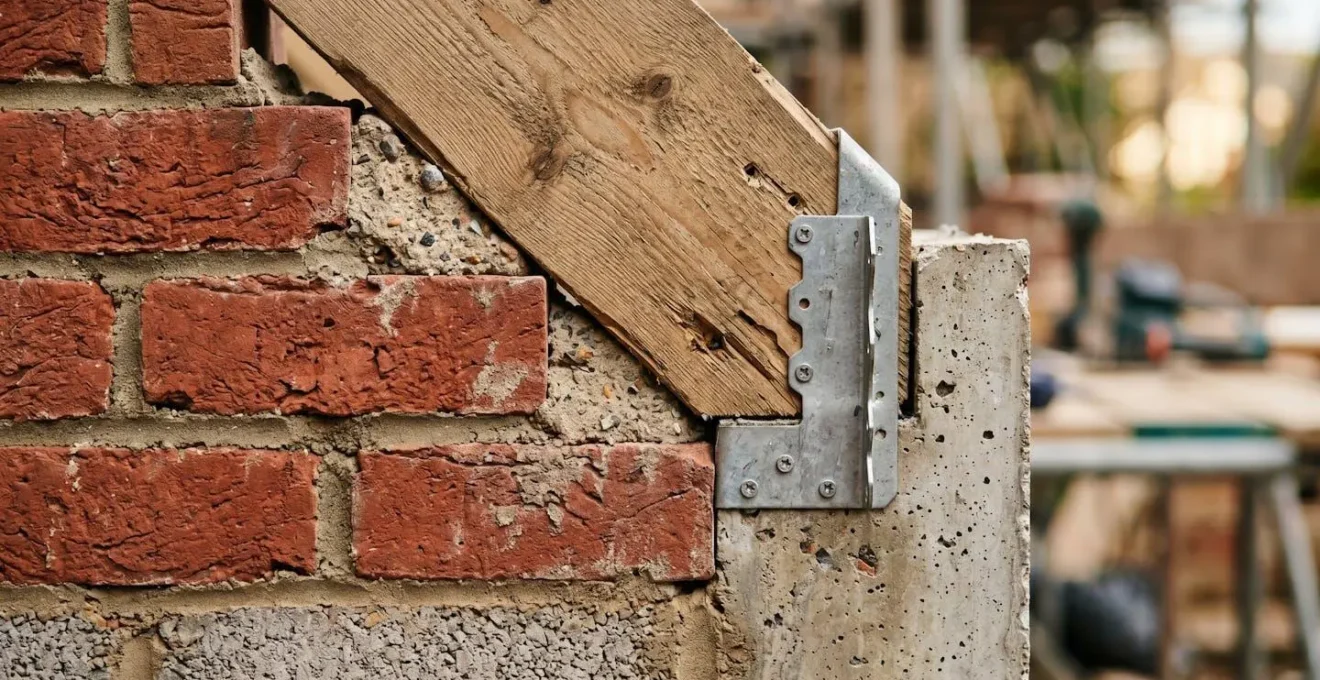
As you can see from the construction of a typical extension, the process involves significant structural change. For a freeholder, the decision to undertake such a project is a straightforward calculation of cost versus added value. For a leaseholder, it’s a negotiation, and the value they create is often shared with, or extracted by, the freeholder. This difference in control is a core reason why the market pays a premium for freehold tenure.
How to Buy Your Building’s Freehold with Neighbours and Split Costs Fairly?
For many flat owners, the path to unlocking the value of freehold lies in collective action. Collective enfranchisement is the legal right for a qualifying number of leaseholders in a building to join forces and compel the landlord to sell them the freehold. This transforms their legal status, makes them masters of their own building, and captures the “marriage value”—the increase in value from merging the leasehold and freehold interests. Given that recent changes affect approximately 4.5 million leasehold properties in England and Wales, this is a highly relevant strategy.
The primary hurdle, however, is often not legal but financial and logistical: how to split the significant costs fairly amongst participating neighbours. The total cost includes the purchase price of the freehold (the “premium”), both the leaseholders’ and the landlord’s legal and valuation fees, and Stamp Duty Land Tax if the premium exceeds the threshold. Agreeing on a fair split is crucial for the success of the project. There is no single legally mandated method, so leaseholders must negotiate and codify their agreement in a formal document, often known as a Participation Agreement.
A solicitor will typically advise on three main models for splitting these costs. The choice of model depends on the specific characteristics of the building and the financial situations of the leaseholders. An inequitable split can derail the entire process before it begins. The following table outlines the common approaches, their advantages, and their potential pitfalls.
| Cost-Splitting Model | Basis of Calculation | Advantages | Disadvantages |
|---|---|---|---|
| By Floor Area | Each flat pays proportionally to its square footage | Simple to calculate; reflects physical space occupied | Doesn’t account for value differences; penalizes larger flats |
| By Property Valuation | Each flat pays proportionally to its market value | Fairer reflection of benefit gained; aligns with legal premium calculation | Requires professional valuation; can be disputed |
| Equal Split | Each participating flat pays an identical share | Simplest to administer; promotes solidarity | Unfair where flats vary significantly in size or value |
Choosing the right model is a critical strategic decision. The ‘By Property Valuation’ method is often considered the fairest as it aligns the cost with the financial benefit each leaseholder gains, but it adds the upfront cost and potential for disputes over valuations. An equal split, while simple, can be deeply unfair in a block with a mix of one-bedroom flats and large penthouses. Careful legal guidance is essential to navigate this negotiation and ensure the group remains cohesive.
Buying the Freehold or Extending Your Lease by 90 Years: Which Saves More Over 20 Years?
Leaseholders often face a critical dilemma: should they pursue a simple lease extension or undertake the more complex process of buying the freehold? From a purely financial perspective over a 20-year horizon, buying the freehold is almost always the superior long-term investment. While a lease extension solves the immediate problem of a diminishing asset, it is ultimately a temporary fix. It simply resets the clock on a depreciating asset and kicks the can down the road for a future owner. Owning a share of the freehold, however, converts that depreciating asset into a permanent one and eliminates future liability.
The key concept to understand here is “marriage value.” This is the uplift in a property’s value that occurs when the lease is extended. For leases with less than 80 years remaining, the law requires the leaseholder to pay 50% of this marriage value to the freeholder as part of the extension premium. This is a punitive cost that can dramatically inflate the price of extending a lease. As research by chartered surveyors shows, a lease extension at 82 years might cost £12,000-£15,000, while the same flat at 78 years could cost £20,000-£30,000+. This “80-year cliff edge” is a major financial trap for the unwary leaseholder and a significant part of the capitalised liability that freehold ownership avoids.
Buying the freehold, either individually for a house or collectively for a block of flats, captures this entire marriage value for the leaseholders themselves. They are effectively paying themselves the uplift. While the initial outlay for a freehold purchase is higher than for a simple extension, it eradicates future ground rent and, crucially, eliminates the need for any future lease extensions for all participating flat owners. Over 20 years, the savings from not having to extend the lease again, combined with the appreciation of a permanent asset, far outweighs the lower upfront cost of a 90-year extension.
Case Study: Marriage Value Impact on a London Flat
Consider a flat worth £300,000 with an 85-year lease. Extending the lease to a new 990-year term might increase its value to £340,000, creating a “marriage value” of £40,000. Because the lease is over 80 years, the leaseholder does not have to share this profit with the freeholder. However, if the lease had dropped to 79 years, the law would require the leaseholder to pay 50% of this £40,000 uplift (£20,000) directly to the freeholder, on top of all other components of the extension premium. This single year’s delay can cost tens of thousands of pounds, demonstrating the financial penalty inherent in short leases.
The Strip of Bedroom Over Your Neighbour’s Garage That Scared Away 3 Buyers
Not all freeholds are created equal. The seemingly straightforward concept of “owning the ground” can be complicated by historical building practices, leading to structural anomalies that create significant legal and financial risk. The most notorious of these is the “flying freehold.” This occurs when part of one freehold property is built over the top of a neighbouring freehold property. The classic example is a bedroom of a terraced house extending over a shared alleyway or, as in a case I recently handled, a portion of a master bedroom situated above the neighbour’s garage. This arrangement can be a mortgageability nightmare.
The problem for lenders is the lack of positive covenants. In English law, it is very difficult to enforce a positive covenant (an obligation to do something, such as maintain a roof) against subsequent owners of a property. If the owner of the garage below fails to maintain its roof and structure, the owner of the bedroom above has limited legal recourse to compel them to carry out repairs, even if their own property is suffering from damp or structural issues as a result. This lack of enforceable mutual support covenants creates an unacceptable risk for most high-street mortgage lenders.
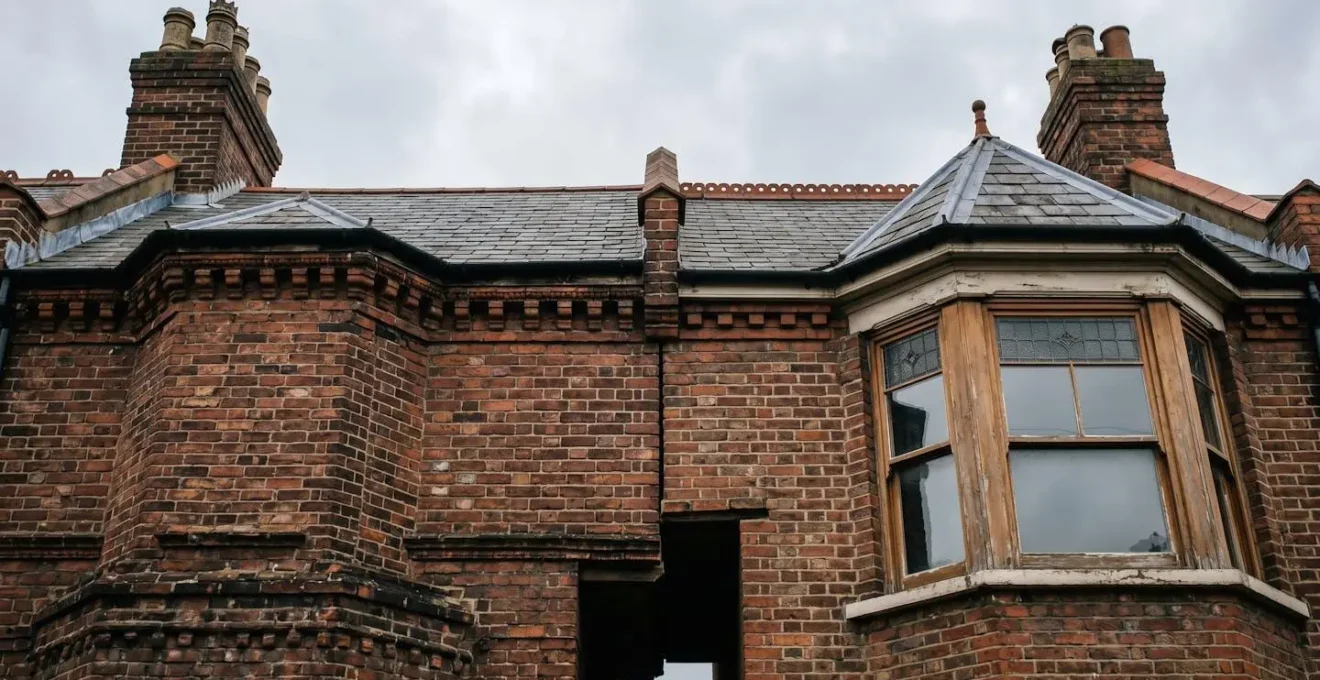
The consequence is a dramatic reduction in the pool of potential buyers. While specialist lenders may consider it, they often have strict criteria; industry analysis reveals that most lenders will only consider properties where the flying freehold makes up less than 20% of the total floor area. This severely impacts the property’s value and saleability. In the case I mentioned, three consecutive cash-buyer-only sales fell through once the buyers’ solicitors explained the long-term risks, even though the physical property was perfectly sound. The value of a “clean” freehold title, free from such structural defects, is therefore immense. This risk factor is another key reason why the market applies a discount to properties with compromised or complex freehold structures compared to a simple, unencumbered title.
When to Buy Your Freehold: Before Leasehold Reform Legislation or Under Current Rules?
The landscape of leasehold law is in a state of significant flux, primarily due to the Leasehold and Freehold Reform Act 2024. This has created a strategic dilemma for leaseholders: is it better to act now under the old, known rules, or wait for the full implementation of the new, supposedly more favourable regime? The answer, as with most legal matters, is “it depends.” It requires a careful “legislative arbitrage” calculation based on your specific circumstances, particularly the remaining length of your lease.
The 2024 Act introduces several key changes intended to make enfranchisement cheaper and easier. A major change is that under the Leasehold and Freehold Reform Act 2024, lease extensions are now for a standard term of 990 years, up from 90 years for flats and 50 for houses. The most significant potential change is the proposed abolition of “marriage value” for leases below 80 years, which could drastically reduce the cost of lease extensions for those with short leases. However, the exact mechanisms and commencement dates for all parts of the Act are not yet finalised, and there is a risk of legislative delay or watering down of proposals.
This uncertainty creates a clear strategic framework for decision-making. The overriding factor is often the “80-year cliff edge.” Waiting for reforms that may or may not materialise could be a costly gamble if your lease slips below this critical threshold in the meantime, potentially adding tens of thousands of pounds to your extension cost under the current rules. For others with longer leases, patience may well be a virtue. A solicitor’s advice is to assess your position against a clear set of criteria:
- Lease length 80 to 82 years: It is almost certainly advisable to act now. It is highly unlikely that the new rules abolishing marriage value will be implemented before your lease drops below the 80-year mark where this costly component currently applies.
- Lease well above 82 years (e.g., 100+ years): You have the luxury of time. It may be financially prudent to wait and see the final details of the reforms, as they are intended to make the process cheaper.
- Urgent need to sell or remortgage: If a short lease is hindering your transaction, you will likely have to extend immediately under the current rules to satisfy a buyer’s or lender’s requirements.
- High ground rent (above 0.1% of property value): The reforms aim to cap how ground rent is treated in premium calculations. If your ground rent is onerous, waiting could lead to significant savings.
- Lease already below 80 years: This is the most complex scenario. Waiting could save a fortune if marriage value is abolished, but it carries the risk that the reforms are delayed or less generous than anticipated. A detailed cost-benefit analysis with a specialist valuer is essential.
Freehold or Leasehold: Which Structure Attracts Lower Stamp Duty on a £750,000 Purchase?
This is a common point of confusion for buyers, but the answer from a purely tax-technical perspective is straightforward: neither. The Stamp Duty Land Tax (SDLT) in England is calculated based on the purchase price of the property (the “chargeable consideration”), not its tenure. Therefore, a freehold house purchased for £750,000 will attract the exact same amount of SDLT as a leasehold flat purchased for £750,000.
However, this simple answer misses the crucial solicitor’s perspective on the “true cost” of the acquisition. While the initial SDLT liability is identical, the long-term financial profile of the two properties is vastly different. The leasehold purchase carries a significant, embedded future liability that the freehold does not: the cost of a future lease extension. This future cost, which can run into tens of thousands of pounds, is not factored into the initial SDLT calculation, but it is a very real part of the total cost of ownership over time.
Therefore, while you don’t pay less SDLT on a freehold purchase, the £750,000 you spend is for a more complete, less liability-laden asset. The price of the leasehold property is theoretically discounted to reflect its inherent flaws (ground rent, service charges, diminishing term), but this discount may not fully compensate for the future costs and lack of control. From a strategic financial standpoint, the freehold purchase represents better value for the same tax outlay, as it avoids the capitalised liability that the leasehold property carries from day one.
Why Can Your Neighbour Still Have a Legal Right to Cross Your Freehold Garden?
The word “freehold” conjures an image of absolute ownership and control, a private kingdom where the owner’s word is law. However, the reality on the ground in England is often more complex. A freehold title can be, and frequently is, subject to the rights of others that are legally binding and “run with the land,” meaning they pass from owner to owner. One of the most common of these is an easement, which is a right for one landowner to use the land of another for a specific purpose. The most classic example is a “right of way.”
It is entirely possible for you to own the freehold of your house and garden, yet your neighbour could have a legally enforceable right to walk or drive across a portion of your land to access their own property. This often occurs in older terraced housing or where a larger plot of land has been subdivided over time. This right will be recorded on the title deeds for both properties and is a permanent feature of the land. You cannot obstruct this right of way, even if it is on land that you own and maintain.
Other common easements include rights to light (preventing you from building in a way that blocks a neighbour’s window), rights of support from your building to theirs, or rights to run pipes and cables under your land. These easements represent a limitation on your absolute freedom and can impact your property’s value and your ability to develop it. As Halifax rightly points out, thorough due diligence is non-negotiable. As their guide states:
You can check with the Land Registry and order the Title Register. This has details about the property or land and may give you details about rights over adjoining land.
– Halifax UK
This is the fundamental first step in any property transaction. A solicitor’s job is to scrutinise the Title Register for these very issues, identifying any easements or covenants that limit the “free” in freehold and explaining their practical and financial implications to the buyer. The existence of an onerous easement is another factor that can create a discount in a property’s value, as it encumbers the very rights a buyer thought they were paying a premium for.
Key Takeaways
- The 20% freehold value premium is a quantifiable sum derived from ownership rights and avoided leasehold liabilities.
- Unfettered control to extend or alter a property under Permitted Development Rights is a major value-add exclusive to freeholders.
- Freehold ownership is a permanent asset, whereas a leasehold is a depreciating asset with compounding future costs, most notably lease extensions.
Why Does “Freehold” on Your Title Deed Not Mean You Can Do Whatever You Want?
The ultimate misconception about freehold is that it grants carte blanche to the owner. As we’ve seen with easements, this is not the case. The reality is that freehold ownership in England operates within a complex web of public and private law that places significant constraints on what you can do with your property. Understanding these limitations is key to a realistic valuation and avoiding costly mistakes. The value of a freehold is not in its absolute freedom, but in its predictable and clearly defined set of rights and responsibilities compared to the arbitrary nature of a lease.
Beyond easements, the most common form of private limitation is the restrictive covenant. This is a promise made in a deed by a past owner of the property that restricts the use of the land in some way. These covenants “run with the land” and bind all future owners. Common examples include prohibitions on running a business from the property, keeping certain animals, or altering the external appearance of the house. Breaching a covenant can lead to legal action and potentially an injunction to undo the work.
On the public law side, the two main pillars of control are planning permission and building regulations. The local authority’s planning department governs what you can build and how your property can be used, ensuring development is in the public interest. Building regulations, administered by Building Control, are entirely separate and ensure that any construction work is safe, structurally sound, and energy-efficient. Even if your project qualifies as Permitted Development and doesn’t need planning permission, it will almost certainly need to comply with building regulations. Failing to do so can make your property impossible to sell in the future. These layers of regulation mean that even as a freeholder, you are never truly operating in a vacuum.
Your Pre-Project Checklist for Freehold Projects in England
- Review Title Deeds from HM Land Registry: Order your official Title Register to identify any restrictive covenants, easements, or other legal encumbrances on your freehold property that could limit your plans.
- Consult the Local Authority’s Planning Portal: Check the national and local planning policies to determine if your proposed project requires a full planning application or if it qualifies under Permitted Development Rights.
- Check for Party Wall Act Triggers: Determine if your project involves work on or near a shared boundary wall or structure, which would require you to serve formal notice to your neighbours under the Party Wall etc. Act 1996.
- Consider Potential Easements: Identify any rights your neighbours may have, such as Rights of Way, Rights to Light, or rights for services (pipes, cables) that could physically or legally restrict your project’s location or scale.
- Verify Building Regulations Compliance: Ensure your project’s design and materials will meet the required standards for structural integrity, fire safety, and energy efficiency, and plan for inspections by Building Control.
To ensure you are making the most informed decision about your property, whether buying, selling, or altering it, securing expert legal advice tailored to your specific circumstances is not just recommended, it is essential. An initial consultation can save you from costly errors and unlock the full potential of your property’s value.